
 EN
EN
 DA
DA
 NL
NL
 FI
FI
 FR
FR
 DE
DE
 AR
AR
 BG
BG
 CS
CS
 EL
EL
 HI
HI
 IT
IT
 JA
JA
 KO
KO
 NO
NO
 PT
PT
 RO
RO
 RU
RU
 ES
ES
 SV
SV
 TL
TL
 ID
ID
 LT
LT
 SK
SK
 UK
UK
 VI
VI
 SQ
SQ
 HU
HU
 TH
TH
 TR
TR
 AF
AF
 MS
MS
 BN
BN
 KN
KN
 LO
LO
 LA
LA
 PA
PA
 MY
MY
 KK
KK
 UZ
UZ
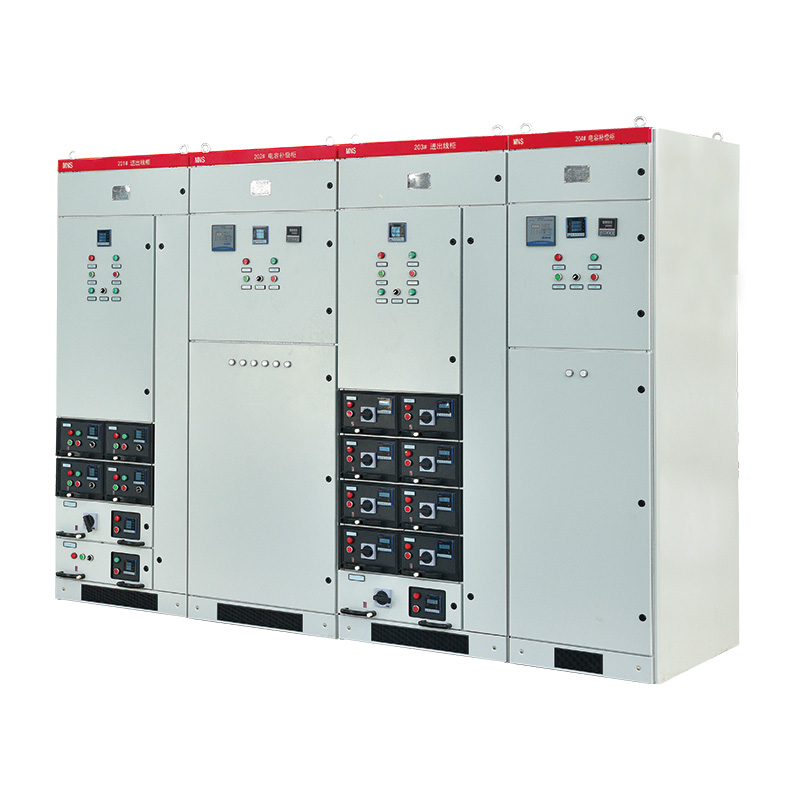
Identifying and Resetting Tripped Circuit Breakers
Tripped circuit breakers are among the most common issues in distribution cabinets, typically caused by overcurrent conditions where electrical demand exceeds safe limits. When current surpasses a breaker's rated capacity, internal mechanisms activate to interrupt the circuit and prevent equipment damage or fire hazards.
Understanding Overcurrent Conditions and Their Impact on Circuit Breakers
Overcurrent events—such as short circuits and sustained overloads—account for 72% of unplanned breaker trips in industrial settings (Electrical Safety Foundation, 2023). These conditions generate excessive heat, which over time degrades insulation and contact surfaces, reducing breaker reliability and lifespan.
Using a Multimeter to Trace Voltage Presence or Absence After a Trip
After a trip, use a multimeter set to AC voltage mode to verify power interruption. Test between phases and neutral at downstream terminals. No voltage confirms successful tripping; residual readings may indicate partial failures requiring further investigation.
Resetting Procedures for Tripped Circuit Breakers Safely
- Disconnect loads from the affected circuit
- Toggle the breaker fully to OFF (listen for an audible click confirming disengagement)
- Wait 30 seconds to allow internal components to reset
- Return the toggle to ON
For complex panels, follow industry-standard reset protocols to avoid cascading failures.
Case Study: Recurring Tripping Due to Overloaded Circuits in an Industrial Panel
A food processing plant experienced hourly trips on a 400A feeder circuit. Infrared scans revealed 15°C hotspots at connection points. Load analysis showed six 50HP compressors operating simultaneously, exceeding design capacity. Implementing staggered startups resolved the issue and stabilized system performance.
Preventing Nuisance Tripping Through Proper Load Balancing
Distribute loads evenly across phases using three-phase balancing principles to maintain less than 5% current imbalance. Use priority shedding for non-critical loads during peak demand to prevent overloads.
Detecting and Fixing Loose Connections and Terminal Failures
Signs of Connection Integrity Failure and Loose Terminals
Loose connections cause intermittent power, localized heating, discoloration, arcing noises, and charring near terminals. These issues contribute to 38% of unplanned outages in industrial environments (Electrical Safety Monitor 2023), underscoring the importance of early detection.
Performing a Visual Inspection of Electrical Panels
Always de-energize the cabinet before inspection. Look for:
- Misaligned terminal blocks
- Frayed conductor strands protruding from lugs
- Oxidation on copper or aluminum busbars
Pay special attention to high-load areas, where thermal cycling accelerates loosening.
Electrical Testing Procedures to Confirm Terminal Tightness
Use these tools to assess connection integrity:
| Tool | Measurement | Acceptable Threshold |
|---|---|---|
| Torque screwdriver | Terminal tightness | Manufacturer specifications ±10% |
| Milliohm meter | Connection resistance | < 25% increase from baseline |
Re-torque any terminals outside tolerance and retest to ensure reliable contact.
Case Study: Arcing and Overheating Caused by Neglected Loose Connections
A 480V distribution cabinet at a food processing plant repeatedly tripped breakers. Thermal imaging identified a 142°F hotspot on a main lug (ambient: 86°F). Investigation revealed:
- A loose neutral terminal causing 12% phase voltage imbalance
- Arcing-induced carbon deposits increasing resistance by 300%
- Insulation damage on adjacent conductors
After re-torquing all connections to 35 lb-ft per NEMA AB-1 standards and replacing damaged parts, energy losses dropped by 18%. The facility now conducts biannual infrared inspections and torque verification.
Diagnosing and Mitigating Overheating Components
Common Causes of Overheating of Components Under Load
Overheating in distribution cabinets primarily stems from overloaded circuits, poor electrical connections, or inadequate heat dissipation. A 2023 analysis found that 63% of overheating incidents involved undersized conductors carrying currents beyond their ratings. Loose screws or corroded bus bars create resistance hotspots, raising temperatures 20–40°C above ambient under load.
Infrared Thermography as a Non-Invasive Diagnostic Tool
Infrared thermography enables detection of thermal anomalies without de-energizing equipment. It identifies early-stage connection failures with 92% accuracy and detects temperature deviations as small as 1.5°C from baseline. This method is especially effective for inspecting busbar joints, breaker contacts, and cable terminations that are not visible during standard checks.
Link Between Voltage Drop Issues and Thermal Buildup
Voltage drop across high-resistance connections directly contributes to heat generation. For example, a 3% voltage drop at 400A produces 1,440W of waste heat (P = I²R). This heat accelerates insulation aging and increases fire risk by 37% in enclosures with poor airflow.
Strategy: Improving Ventilation and Load Distribution to Reduce Heat
Effective thermal management includes:
- Rearranging high-load devices to eliminate heat concentration zones
- Installing temperature-controlled fans or heat exchangers
- Conducting annual load studies to optimize circuit distribution
Peer-reviewed analysis shows these measures reduce internal cabinet temperatures by 15–25°C, extending component life by 4–7 years in industrial applications.
Managing Corrosion, Ground Faults, and Environmental Degradation
Environmental Factors Contributing to Corrosion or Rust Formation in Distribution Cabinets
The combination of humidity, salty air near coasts, and various chemicals really speeds up corrosion problems in those metal distribution cabinets we see everywhere. We're talking about something serious economically too these days. The numbers are staggering actually around $2.5 trillion lost globally each year because of this kind of damage, and guess what? About 12% of all electrical system failures in industry come down to corrosion issues according to some recent material science studies from last year. Water gets into everything and starts that rust process going, while all sorts of dirt and grime from factories just eat away at whatever protective layers might be on surfaces. For places right by the ocean where there's so much salt in the air, the trouble hits hard fast. Those terminals inside equipment often start failing between 18 and 24 months after installation, which is way too soon for most operators who didn't expect such quick deterioration.
Inspecting for Physical Damage or External Interference Accelerating Degradation
Perform quarterly visual inspections for early signs of corrosion:
- Surface irregularities: Blistering paint, rust streaks, or pitting
- Structural damage: Dents, cracks, or gaps allowing moisture entry
- Connector integrity: Loose terminals or greenish deposits indicating copper oxidation
Infrared scans can reveal hidden corrosion through abnormal temperature patterns caused by increased resistance.
Protective Coatings and Maintenance Routines to Inhibit Rust
Coated metal surfaces need protection against corrosion, especially those areas where water tends to collect like seams and joints. For places near the coast, regular cleaning twice a year works well using solutions that are neutral in pH level to get rid of salt buildup. When dealing with harsh chemical environments, going for polyurethane coatings makes sense since they stand up better to chemicals compared to regular coatings. Some tests showed these special coatings can handle about 40 percent more chemical exposure before breaking down. Facility managers looking at long term maintenance costs often find this extra protection worth the investment over time.
Understanding Ground Fault Complications in Ungrounded or High-Resistance Systems
When working with ungrounded electrical systems, single phase ground faults tend to go unnoticed until another fault occurs, creating what everyone knows is a serious short circuit situation. High resistance grounding helps cut down on those dangerous arc flashes, though getting the settings right matters a lot. Just a small error in resistor values makes a big difference actually increasing fault currents by around 30% if there's even a 5% mistake. For anyone dealing with these systems, grabbing an insulation resistance tester becomes essential. The goal here is making sure ground paths stay above that 1 megaohm mark, which serves as the baseline needed to stop unwanted leakage in standard 480 volt installations across most industrial facilities today.
Using Insulation Resistance Testers to Detect Leakage Paths
Modern testers with polarized index (PI) measurements deliver accurate results even in humid conditions. To test:
- De-energize the cabinet and discharge capacitors
- Measure phase-to-phase and phase-to-ground insulation resistance
- Compare against manufacturer baselines (typically ¥100 MΩ for new systems)
A PI ratio below 2.0 suggests moisture ingress or insulation breakdown needing immediate action.
Implementing a Systematic Troubleshooting Process for Distribution Cabinets
Effective maintenance requires a structured approach combining observation, analysis, and corrective action. Facilities using systematic methods report 22% less downtime than those relying on reactive repairs (Electrical Safety Review, 2023). A standardized process ensures root causes are addressed, not just symptoms.
The Five-Layer Approach: Phenomenon–Principle–Case Study–Trend–Strategy
The process begins by recording what problems are actually happening on site, things like those annoying voltage fluctuations that keep coming up again and again. From there, electricians apply basic laws of electricity, including stuff most people know as Ohm's Law and those Kirchhoff rules about circuits. One factory had serious trouble with their power distribution until they combined thermal scans of equipment with regular load checks across different times of day. This helped them spot where the phases were getting out of balance over time. Looking at past data patterns allowed maintenance teams to predict when components would fail before they did, which saved money and downtime. They ended up installing special filters to handle harmonics in the system, something that made a real difference in stability for months after implementation.
Step-by-Step Guide to Systematic Troubleshooting in Live Panels
- De-energize non-critical loads using lockout/tagout (LOTO) procedures
- Measure baseline parameters: voltage (±2% of nominal), current balance (≤10% phase variance)
- Compare readings to manufacturer specs and NEC Article 408 requirements
- Record findings using annotated diagrams or digital troubleshooting tools
Integrating Electrical Testing Procedures into Routine Maintenance
Conduct quarterly insulation resistance tests (≥1 MΩ for low-voltage systems) and annual thermal scans to catch developing problems. Facilities combining these with continuous load monitoring experience 40% fewer unscheduled repairs. Align testing frequency with operational demands—monthly for 24/7 operations, biannually for seasonal facilities.
FAQ
What causes circuit breakers to trip?
Circuit breakers typically trip due to overcurrent conditions caused by short circuits, sustained overloads, or earth faults, which can generate excessive heat and reduce reliability.
How can I safely reset a tripped circuit breaker?
Ensure loads are disconnected, toggle the breaker to OFF, wait 30 seconds, then turn it back to ON. Follow industry-standard reset protocols for complex panels.
What is the role of infrared thermography in troubleshooting?
Infrared thermography is used to detect thermal anomalies without de-energizing equipment, helping identify early-stage connection failures and temperature deviations.
How do I prevent corrosion in distribution cabinets?
Regular cleaning, applying protective coatings like polyurethane, and conducting routine inspections can prevent corrosion, especially in harsh environments.
Table of Contents
-
Identifying and Resetting Tripped Circuit Breakers
- Understanding Overcurrent Conditions and Their Impact on Circuit Breakers
- Using a Multimeter to Trace Voltage Presence or Absence After a Trip
- Resetting Procedures for Tripped Circuit Breakers Safely
- Case Study: Recurring Tripping Due to Overloaded Circuits in an Industrial Panel
- Preventing Nuisance Tripping Through Proper Load Balancing
- Detecting and Fixing Loose Connections and Terminal Failures
- Diagnosing and Mitigating Overheating Components
- Common Causes of Overheating of Components Under Load
- Infrared Thermography as a Non-Invasive Diagnostic Tool
- Link Between Voltage Drop Issues and Thermal Buildup
- Strategy: Improving Ventilation and Load Distribution to Reduce Heat
-
Managing Corrosion, Ground Faults, and Environmental Degradation
- Environmental Factors Contributing to Corrosion or Rust Formation in Distribution Cabinets
- Inspecting for Physical Damage or External Interference Accelerating Degradation
- Protective Coatings and Maintenance Routines to Inhibit Rust
- Understanding Ground Fault Complications in Ungrounded or High-Resistance Systems
- Using Insulation Resistance Testers to Detect Leakage Paths
- Implementing a Systematic Troubleshooting Process for Distribution Cabinets
- FAQ